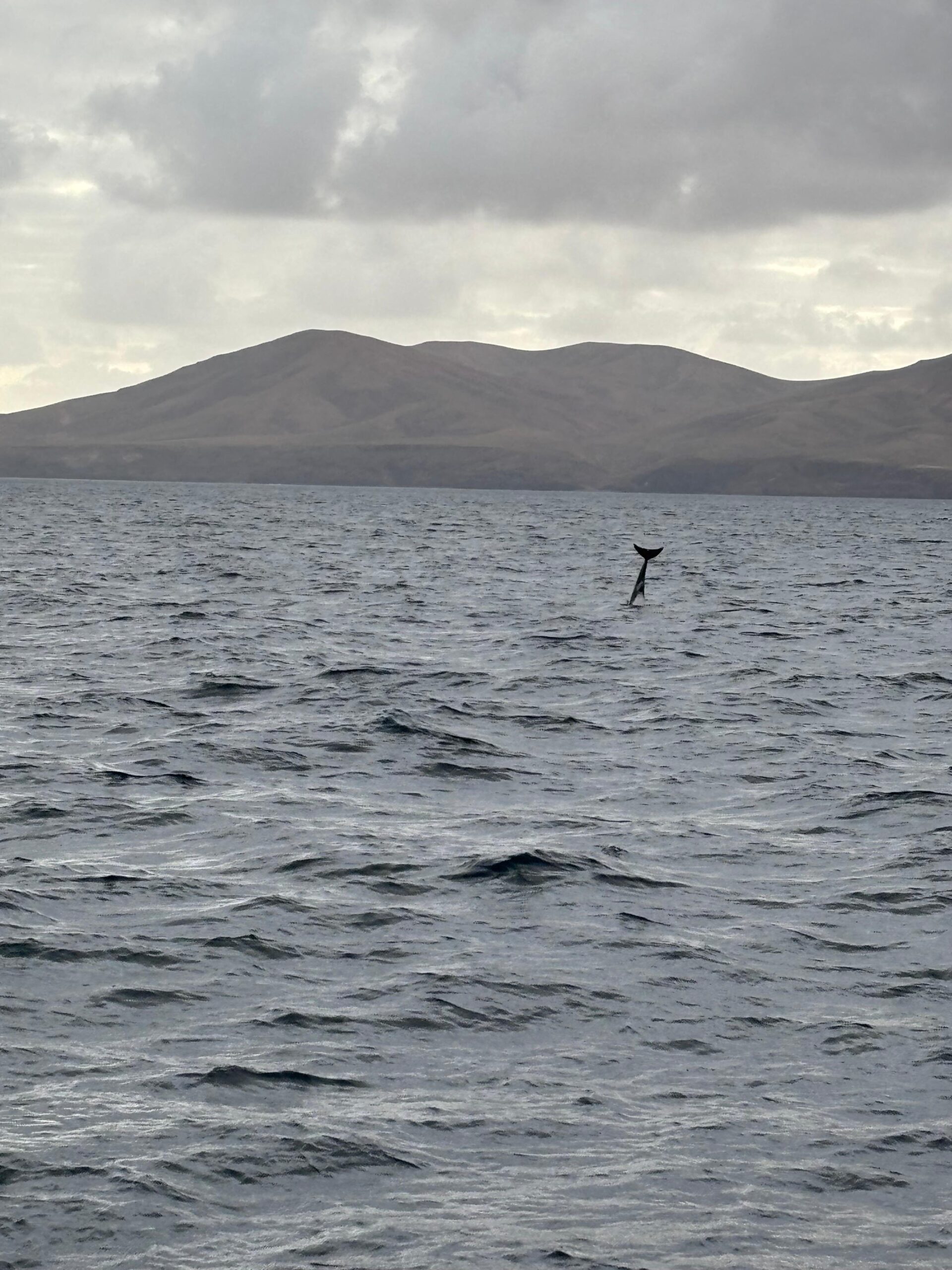
Presentation of Rough-toothed dolphin PhotoID Catalogue in Lanzarote
11 APRIL 2026
LANZAROTE, SPAIN
About the event
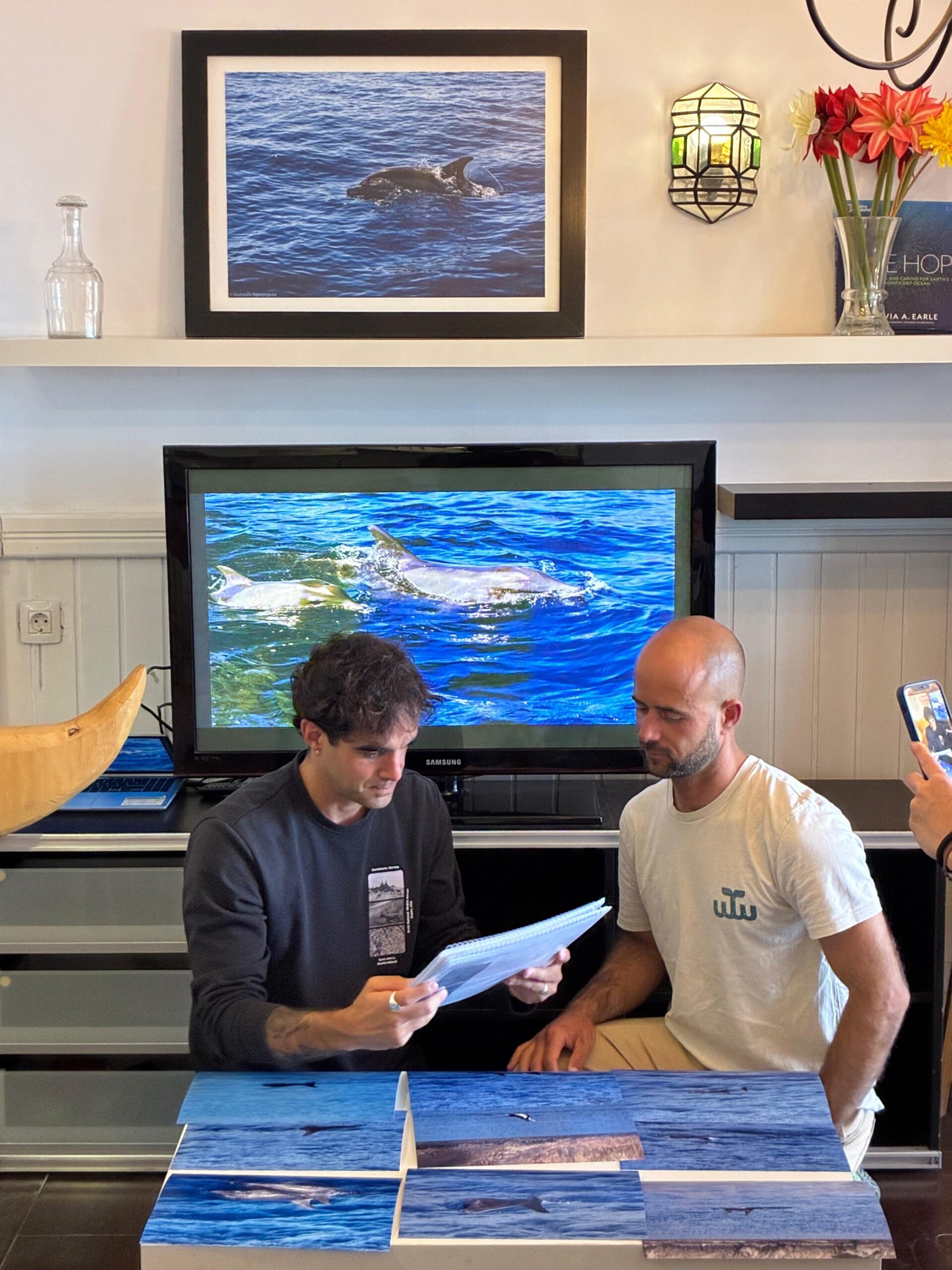
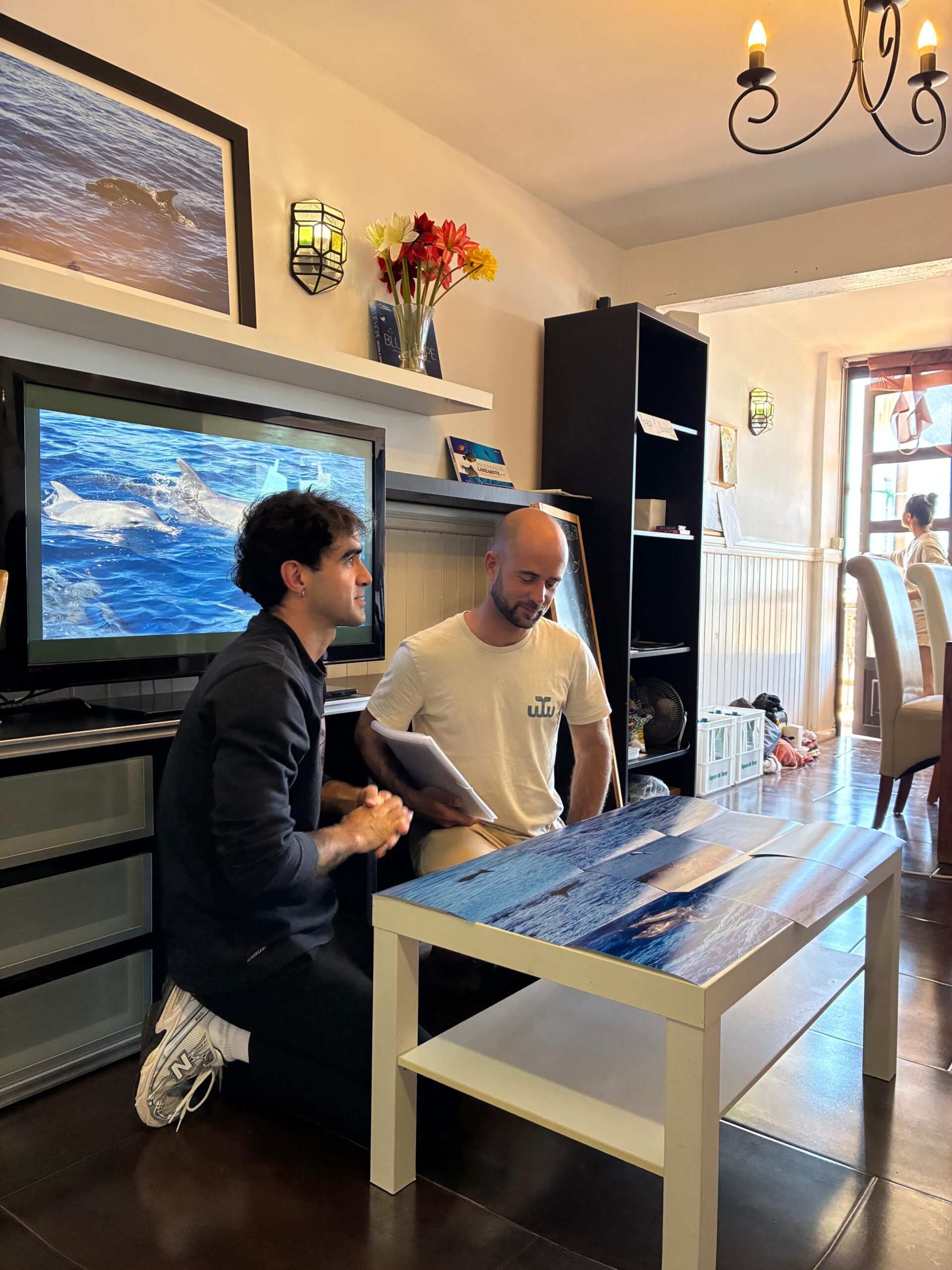
As part of our ongoing cetacean research in Lanzarote, WeWhale presented our photo-identification catalogue for rough-toothed dolphins (Steno bredanensis), one of the Canary Islands’ most fascinating and least studied dolphin species.
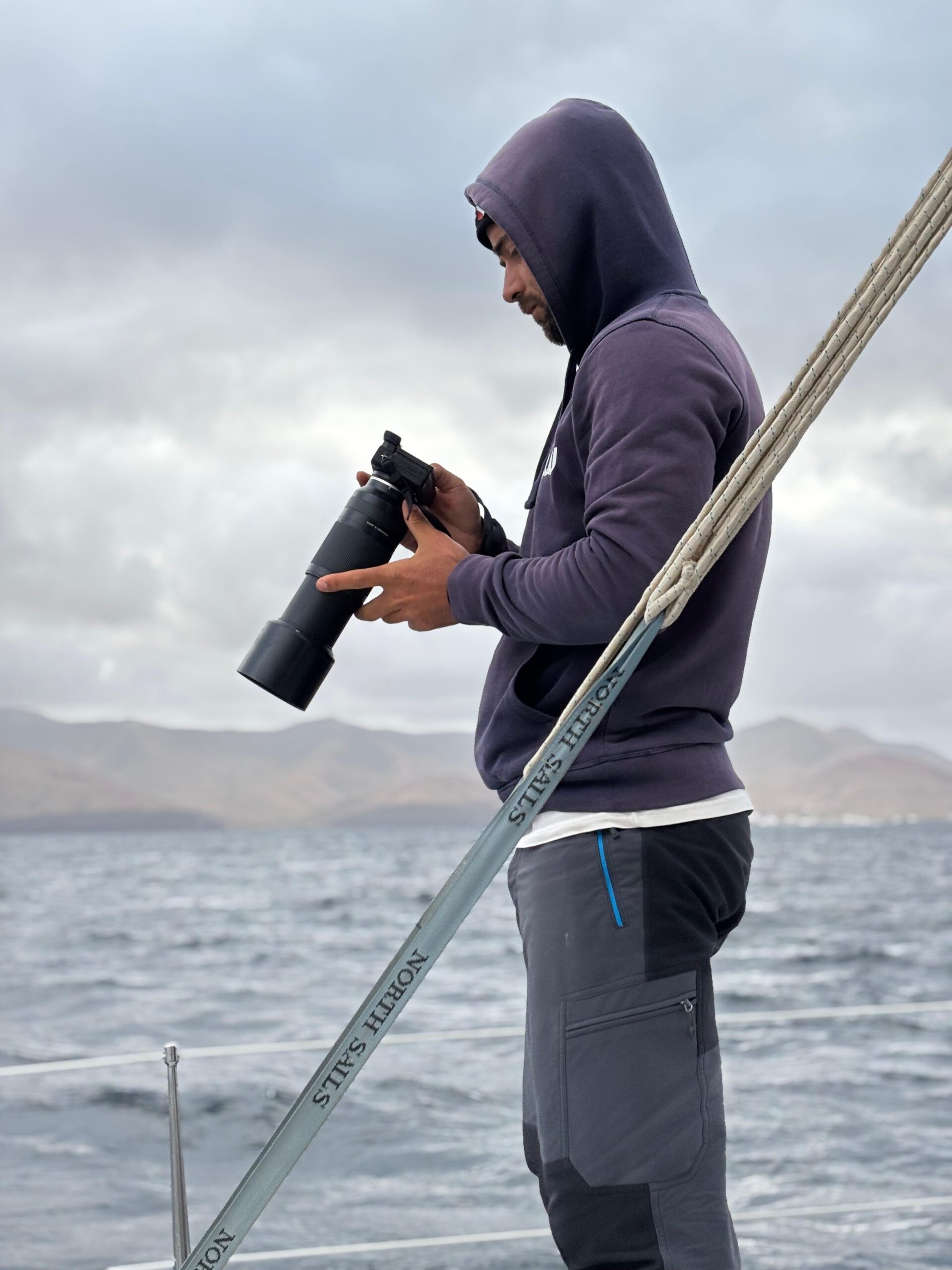
Over the last three years, our team has been building a long-term photo-identification catalogue that allows individual dolphins to be recognised and monitored through the natural markings on their dorsal fins. This non-invasive research method provides valuable information on population dynamics, site fidelity, social relationships and habitat use, helping us better understand the lives of these animals in the waters surrounding Lanzarote.
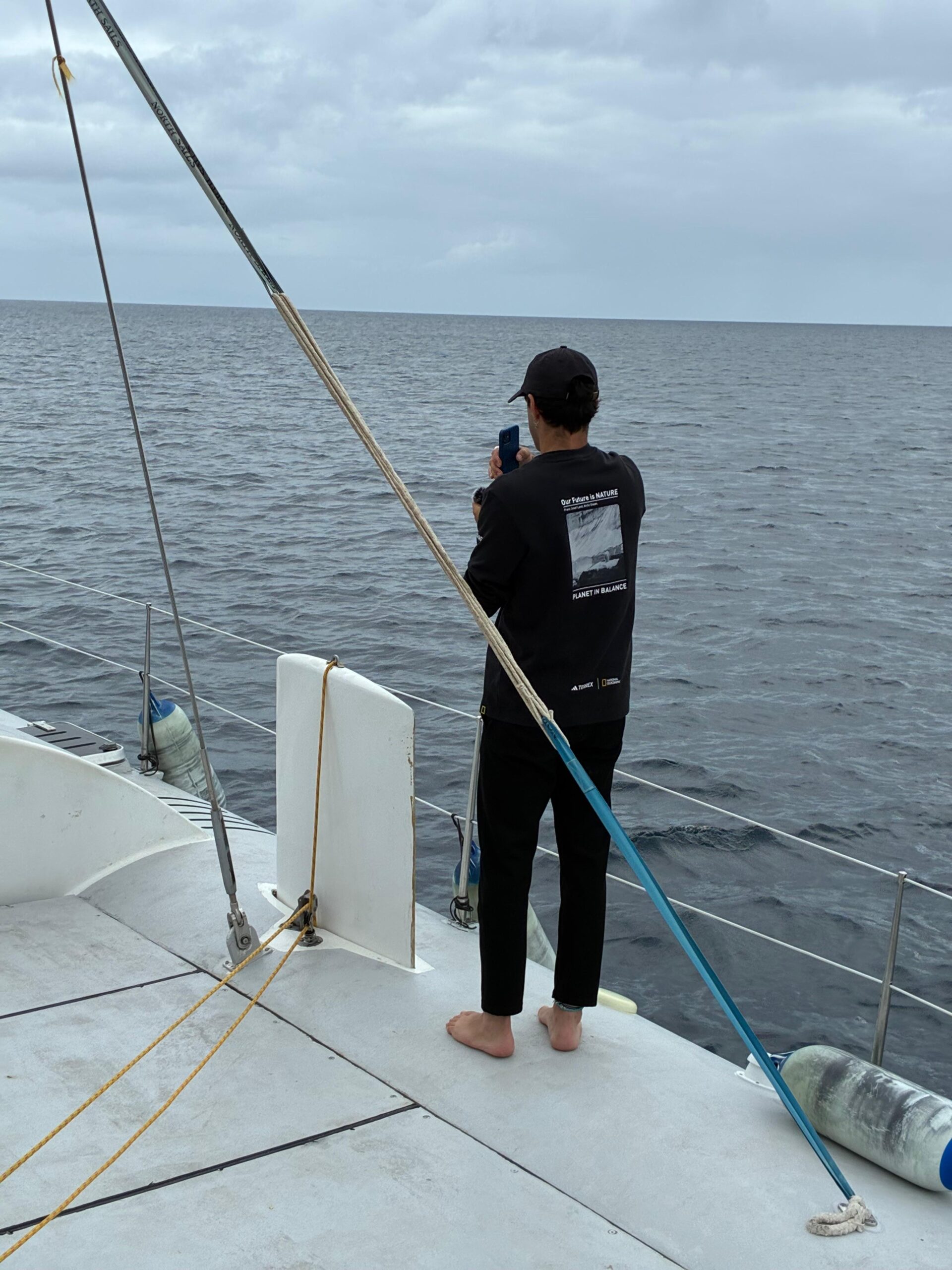
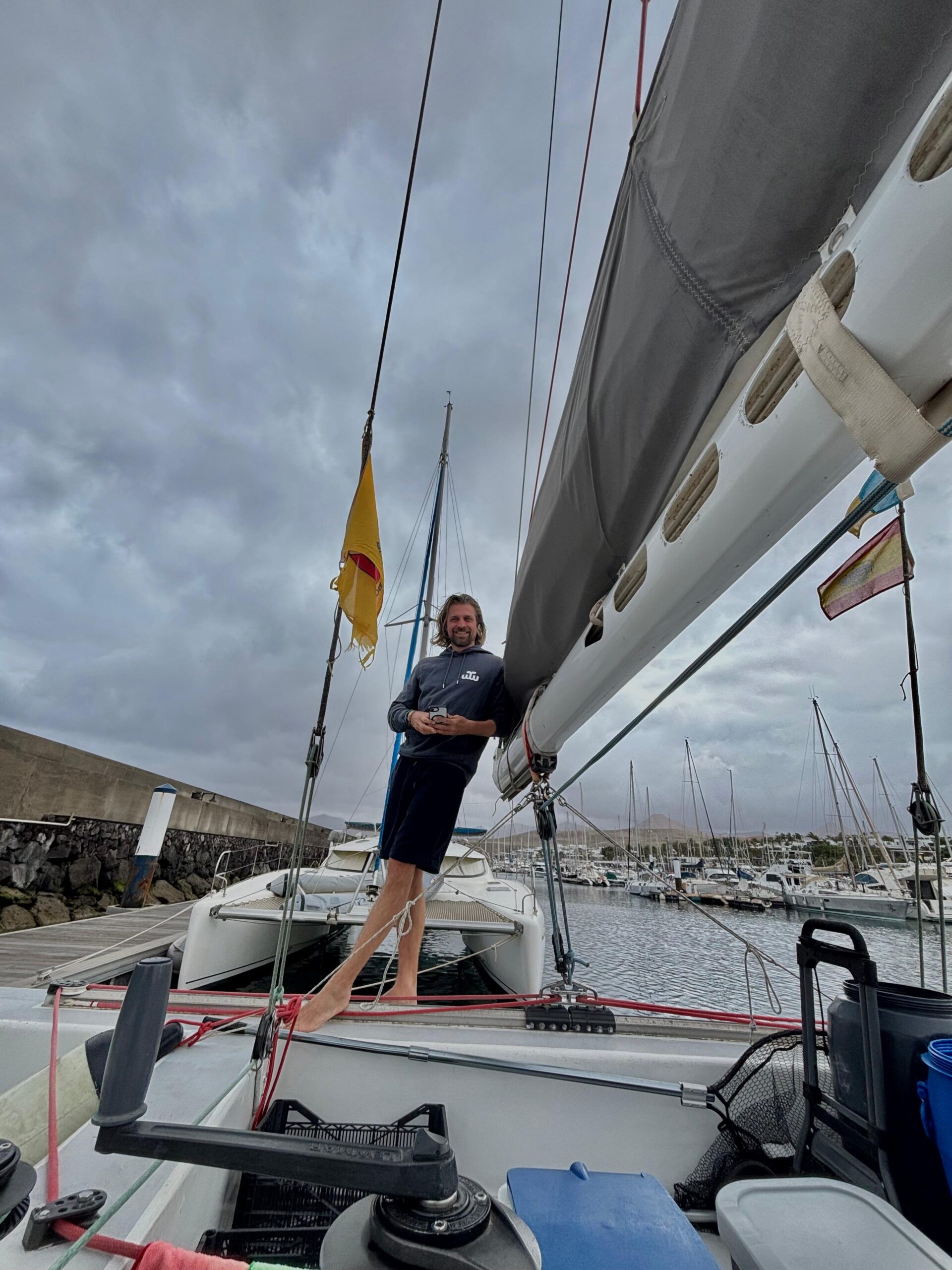
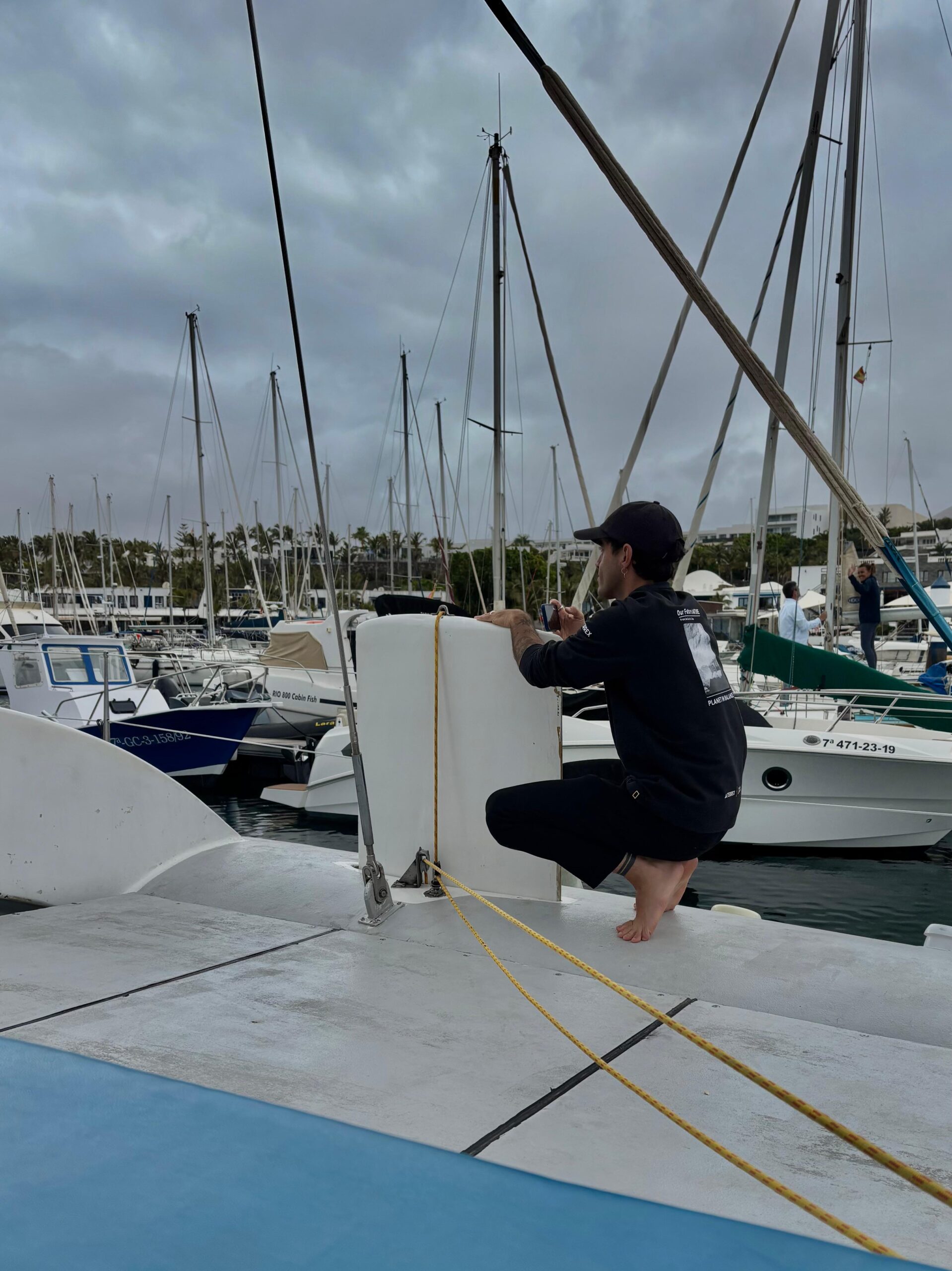
To help showcase this work, we were joined by wildlife communicator and National Geographic collaborator Alex Avello. During his visit, Alex learned about the methodology behind the catalogue and took part in the identification process of one of the dolphins. As a special contribution, he was invited to choose a name for a newly catalogued individual. The dolphin was named “Virgi” and now forms part of our growing catalogue of identified rough-toothed dolphins.
The visit also included a tour of SECAC (Society for the Study of Cetaceans in the Canary Archipelago), where Alex had the opportunity to learn about the work of Vidal Martín and his team, including the development and maintenance of the Cetacean Collection of Reference for the Macaronesian region. This collection is one of the most important cetacean research resources in Spain and plays a key role in the study and conservation of marine mammals in the North-East Atlantic.
By sharing projects such as these with communicators and storytellers, we hope to bring scientific research closer to the public and inspire greater appreciation for the remarkable cetacean diversity of the Canary Islands.
We are grateful to Alex Avello, National Geographic Spain and SECAC for helping us give visibility to this work and highlight the importance of protecting these species and their marine environment.
Watch the video of the event here!
Gallery