
PhotoID Catalogues
What is Cetacean PhotoID?
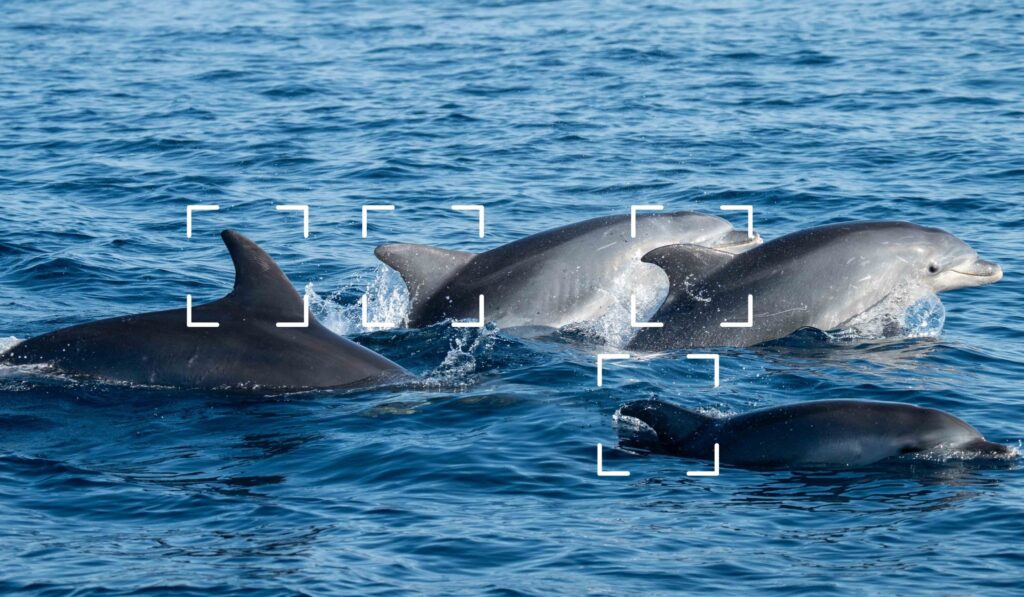
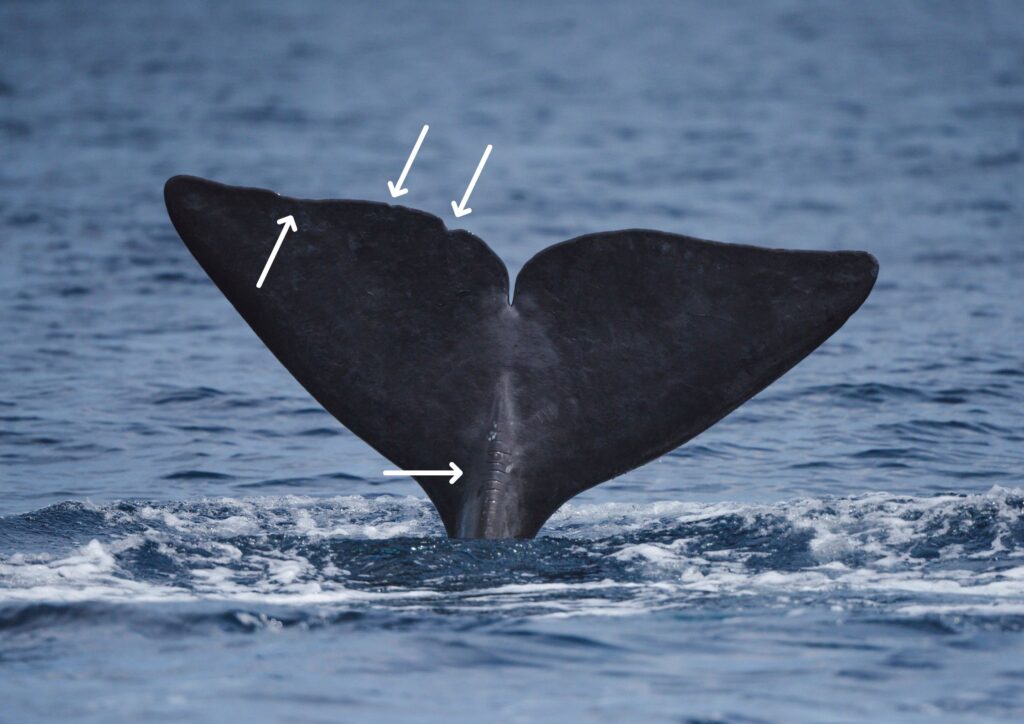
Cetacean photo-identification (PhotoID) is a non-invasive research technique used to recognise individual whales and dolphins based on their unique physical features. These features typically include dorsal fins, tail flukes, saddle patches, scars, and pigmentation patterns, which are as distinctive as human fingerprints. By photographing and cataloguing these characteristics, researchers can monitor individual animals over time without the need for physical tagging. By photographing and cataloguing these characteristics, we can monitor individual cetaceans without the need for physical tagging or disturbance.
Purpose and Importance
Photo-ID has become one of the most important tools in cetacean research and conservation worldwide. Through repeated sightings and image comparisons, we can study movements, migration routes, site fidelity, population size, survival rates, reproduction, social structures, behaviour, and habitat use of individuals and populations over time.
Because the technique is non-invasive, it allows long-term monitoring while minimising stress and disturbance to the animals. It also provides valuable information about health and conservation threats, helping us document injuries caused by vessel strikes, fishing gear entanglement, disease, pollution, or interactions with other cetaceans.
Today, Photo-ID catalogues connect organisations, researchers, whale watching operators, and citizen scientists around the world. By sharing images and comparing catalogues between regions, it is possible to track the movements of individuals across vast ocean areas and better understand how populations are connected globally. In some cases, whales photographed thousands of kilometres apart have later been identified as the same individual.
Beyond its scientific value, Photo-ID creates a connection between people and individual animals. By recognising and following known cetaceans over the years, we can better understand their stories, relationships, movements, and the challenges they face in an increasingly threatened marine environment.
It remains one of the most powerful and effective tools for understanding and protecting whales, dolphins, and porpoises around the world.

Our PhotoID Catalogues
At WeWhale, every trip becomes an opportunity to contribute to cetacean research and conservation. During our excursions and research surveys, we systematically collect photographic data to support the identification and long-term monitoring of different cetacean species, contributing to local knowledge and collaborative research efforts.
We are currently creating and continuously updating Photo-ID catalogues in Lanzarote, Gran Canaria, Dénia, and the Strait of Gibraltar. These catalogues help us better understand population dynamics, movements, site fidelity, social structures, and the conservation status of cetaceans across different regions of Spain.